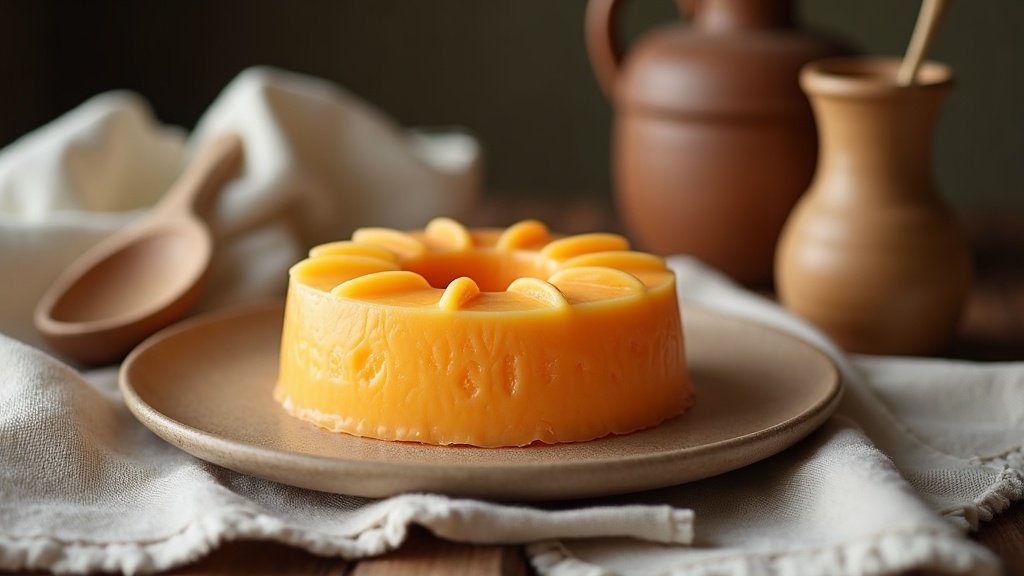
Long before wellness trends had names, women stirred baking soda e gelatin into everyday routines. This page looks at where the habit comes from, what the ingredients actually are, and why it’s resurfacing in kitchens today.
Most women can recall the exact morning they noticed something had shifted — a favorite pair of jeans fitting differently, a skincare routine that stopped working the same way, an appetite that felt unfamiliar. These changes rarely announce themselves; they accumulate quietly.
As collagen production slows with age, many women start paying closer attention to ingredients like baking soda e gelatin, which have long been part of traditional kitchen practices tied to connective tissue and skin.
Fullness cues can shift over time due to hormonal and lifestyle factors, which is why some women revisit older, simpler food habits when a meal no longer feels as satisfying as it once did.
Body composition tends to change gradually, and many women report noticing this shift before they notice anything on a scale, which shapes how they think about daily habits.
General nutrition advice often assumes a static body, but many women find that one-size-fits-all diet rules don't account for the way their needs evolve.
Metabolism is one of the most misunderstood topics in everyday conversations about weight and energy. Here’s a closer look at three common claims.
A slower metabolism means nothing can be done.
Metabolic rate is influenced by many factors, including muscle mass, sleep quality, and daily activity — not a single fixed switch.
Cutting calories drastically is the only path to change.
Extreme restriction can backfire over time; many nutrition educators emphasize consistency and nutrient quality over severe deficits.
Weight is only about willpower.
Hormonal shifts, stress levels, and body composition changes all play documented roles in how weight is experienced day to day.
Rather than a quick fix, this is a habit built in stages — the way traditional kitchen practices usually are.
Understanding what baking soda and gelatin actually are — and are not — is the starting point before incorporating any habit into a routine.
Traditional practices often paired these ingredients with specific parts of the day, which is worth understanding before drawing conclusions.
Like most habits rooted in tradition, this one was never framed as an overnight change but as something repeated over weeks and months.
In many households, gelatin desserts and bone-based broths were everyday staples long before collagen became a wellness buzzword. Grandmothers across different culinary traditions combined mineral-rich broths with gelatin for both texture and folklore around digestion, while baking soda found its way into kitchens as a multipurpose staple — used in baking, cleaning, and home remedies passed down through generations. The pairing of the two ingredients in modern conversations is less a discovery and more a rediscovery of something that sat quietly in recipe boxes for decades.
Gelatin is derived from collagen-rich connective tissue, which is part of why traditional cuisines so often paired it with mineral-dense broths — long before ‘collagen’ appeared on a supplement label.
Some women notice their energy leveling off earlier in the day than it used to, prompting a closer look at daily habits.
Changes in nail strength are commonly mentioned alongside broader conversations about collagen and connective tissue.
Appetite signals can become less consistent, making it harder to gauge fullness the way one used to.
Everyday movement can start to feel different, especially after periods of activity or rest.
Some women notice that their weight behaves differently than it did in earlier years, even with similar habits.
Skin elasticity and texture are frequently discussed in relation to natural collagen decline over time.
These testimonials reflect personal opinions and individual experiences. Individual results may vary, and these statements have not been evaluated by the FDA. This content is not intended to diagnose, treat, cure, or prevent any disease.
Hydrolyzed gelatin refers to gelatin that has been broken down into smaller peptides, which some traditional and modern preparations use to make it easier to dissolve or mix into liquids.
Baking soda has a long history of household and culinary use, but any dietary use should be discussed with a healthcare professional, particularly regarding frequency and amount.
The combination appears in various traditional recipes and home practices, often tied to texture, digestion folklore, or convenience rather than a single documented mechanism.
No single habit or ingredient replaces the fundamentals of a balanced, varied diet. This content is educational and not a substitute for professional nutrition guidance.
Collagen and gelatin have been studied in various contexts, but individual habits like this one are best discussed with a healthcare provider who understands your specific situation.
People with certain medical conditions, dietary restrictions, or allergies should consult a healthcare professional before adding any new ingredient to their routine.
The video linked on this page walks through the full explanation, history, and context in more detail than this summary can cover.
Watch the complete video breakdown of how baking soda e gelatin fit into this traditional kitchen habit — including where it came from and what it actually involves.
Advertising Disclosure: This page contains sponsored content and affiliate links. We may receive compensation if you click on or make purchases through links on this page. This does not affect the price you pay.
Content Disclaimer: This content is for educational purposes only and has not been evaluated by the FDA. It is not intended to diagnose, treat, cure, or prevent any disease. Always consult a qualified healthcare professional before making changes to your diet, habits, or wellness routine.
Results Disclaimer: Individual results may vary. Any testimonials or examples shared reflect personal experiences and are not a guarantee of similar outcomes for any other individual.
© 2026 · All Rights Reserved · /contact/